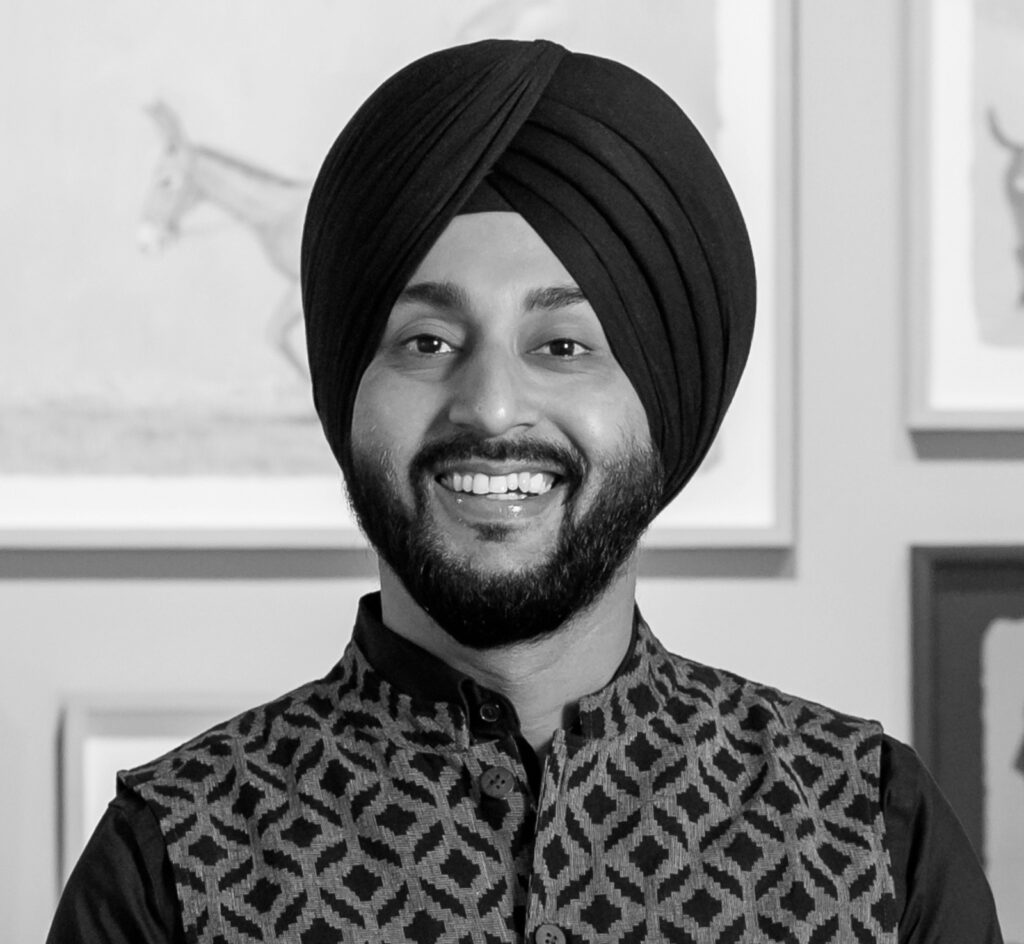
Gurmeet Marwah
Visual Artist | New Delhi, India
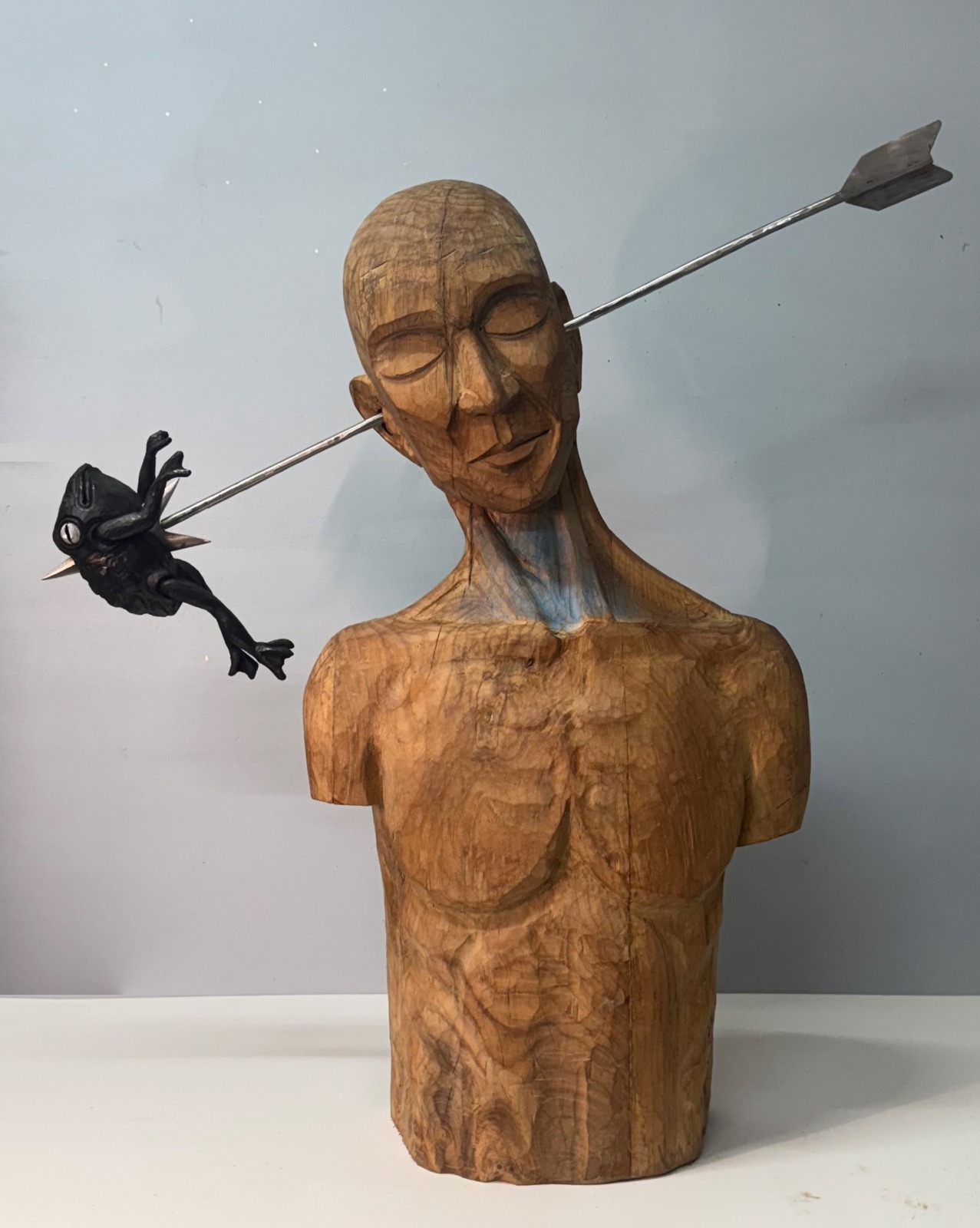
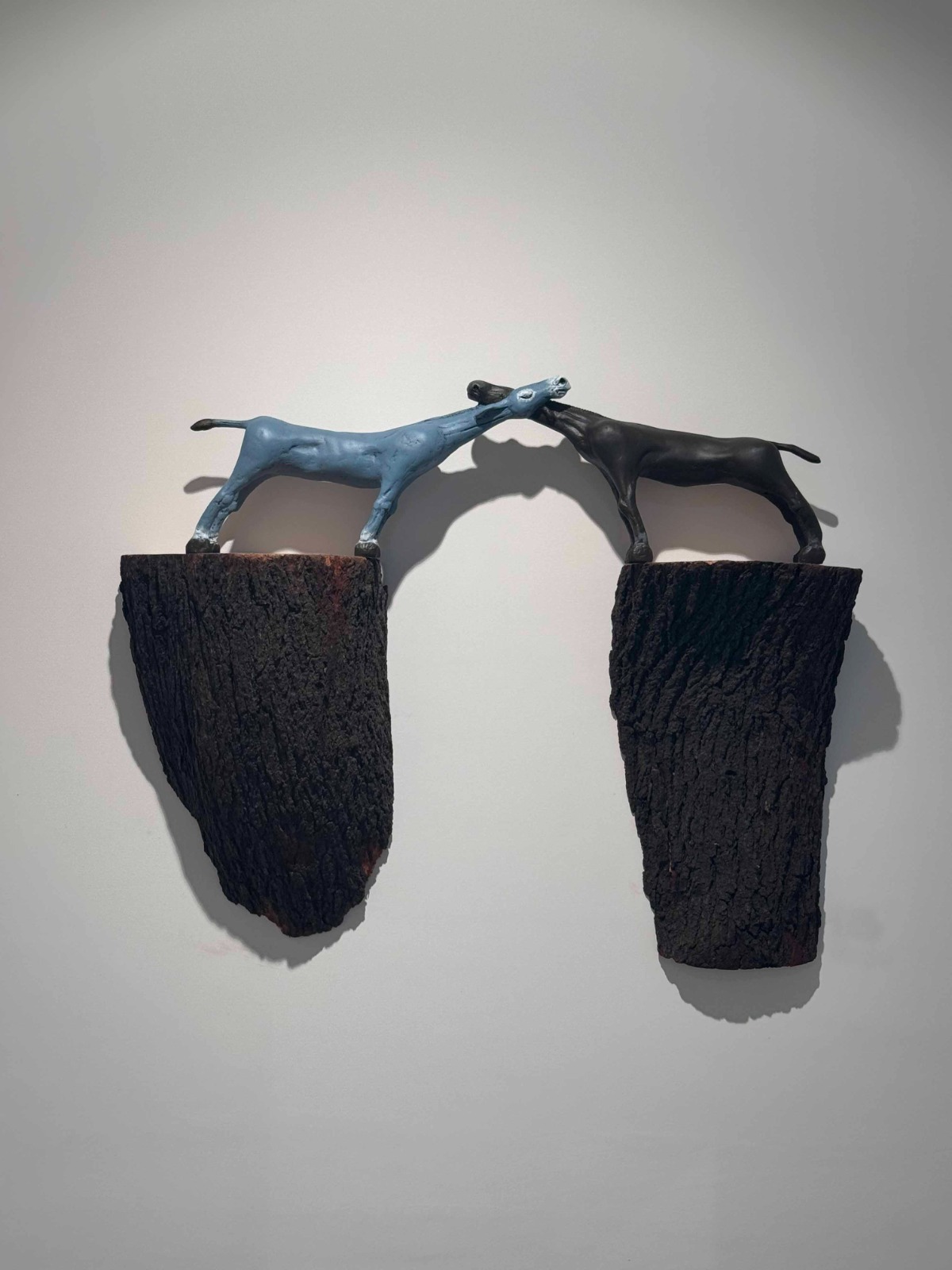
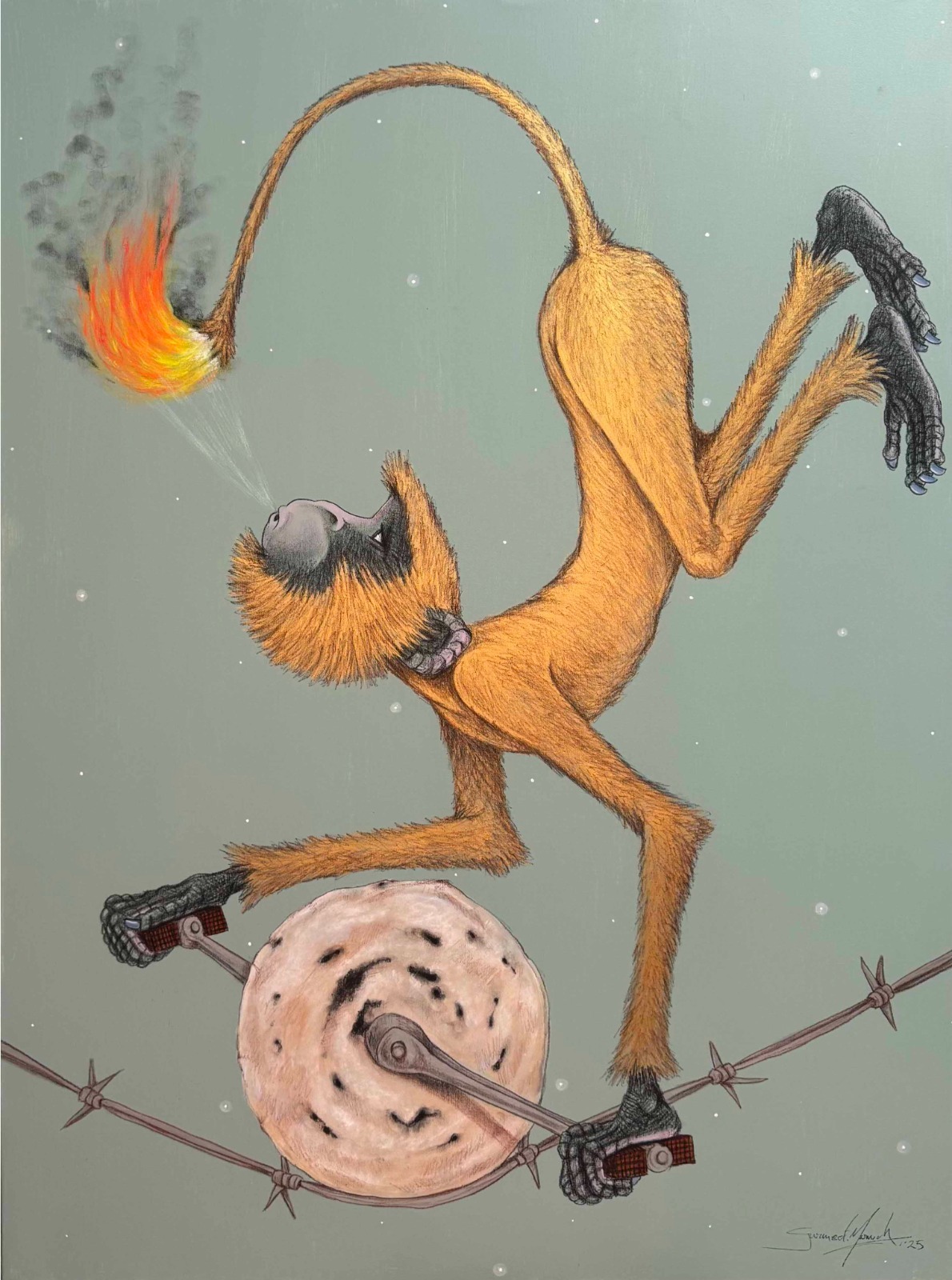
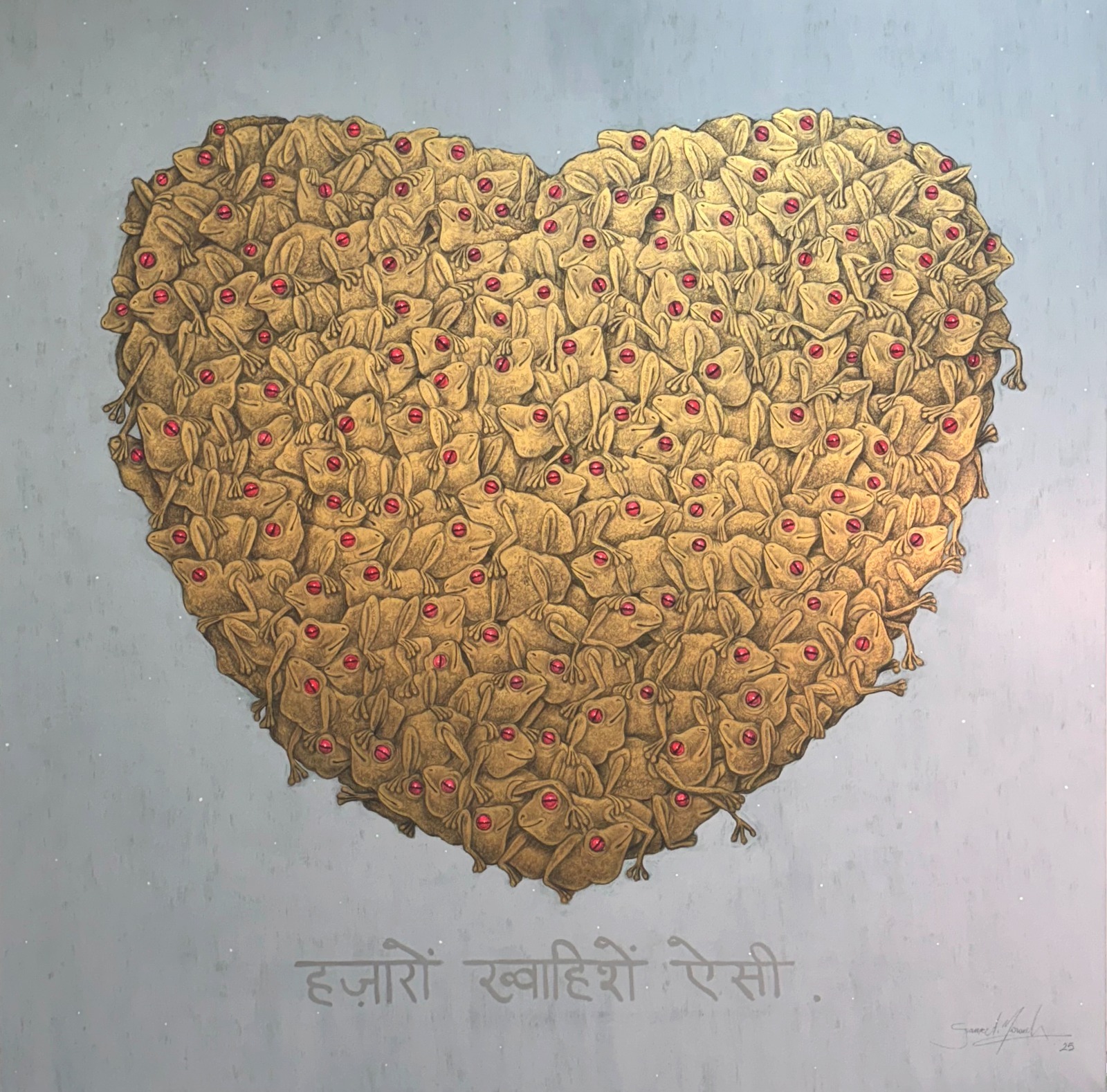
Born in 1984 in Delhi, this contemporary Indian artist works across painting, printmaking, and ceramic, using satire to reflect on human behaviour and social realities. Education includes a Bachelor of Fine Arts in Painting and a Master of Fine Arts in Printmaking from the College of Art, New Delhi, along with earlier education in commercial art at I.T.I. PUSA, New Delhi. This academic foundation informs a practice that is technically assured and conceptually layered.
The work consistently unfolds at two interconnected levels—the personal and the societal. Observations drawn from everyday life and lived experience are translated into visual narratives that balance emotional depth with accessibility. Satire plays a central role, allowing serious contemplations to be addressed with lightness and irony, while also serving as a means to resolve inner conflicts through art.
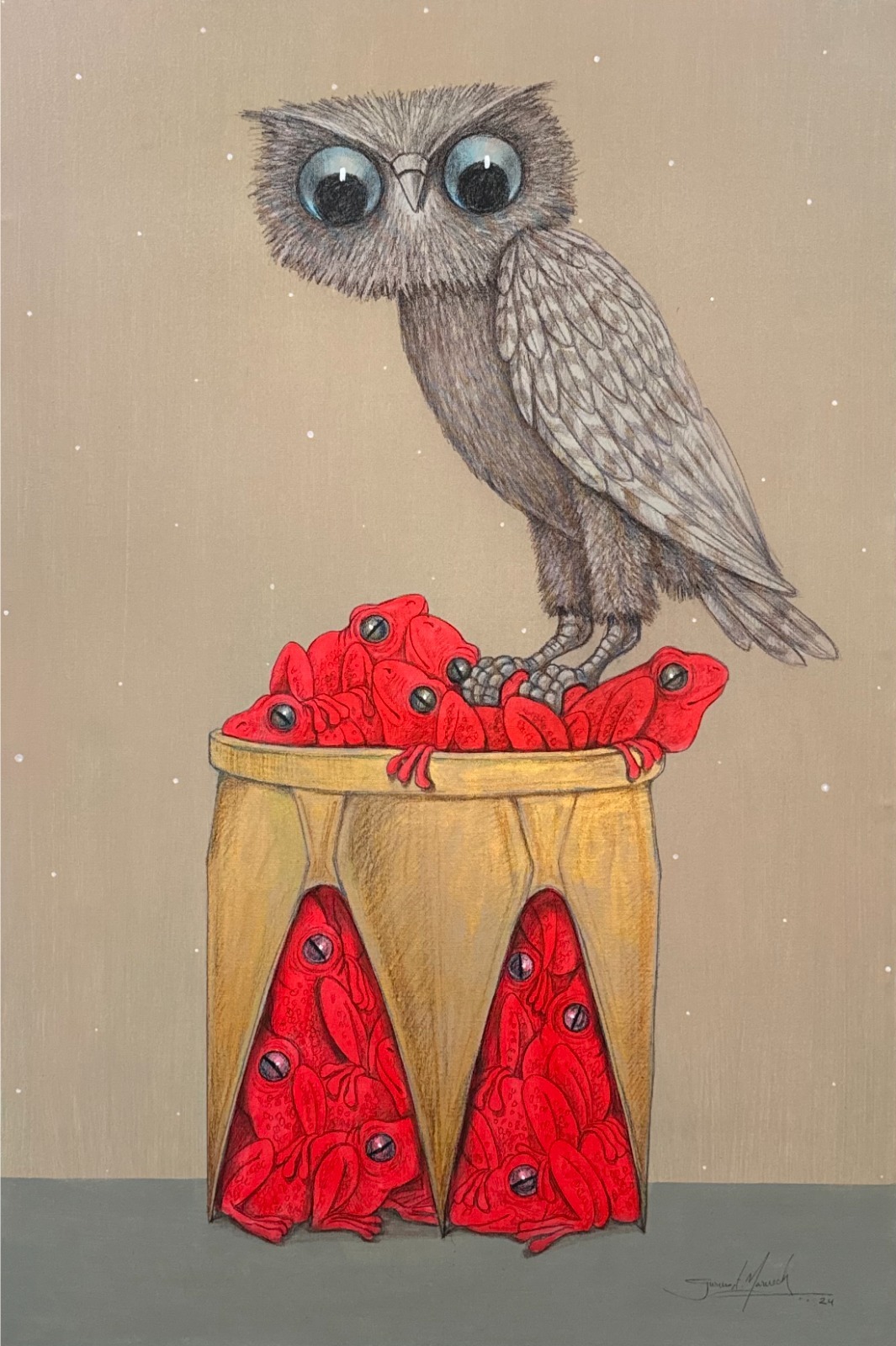
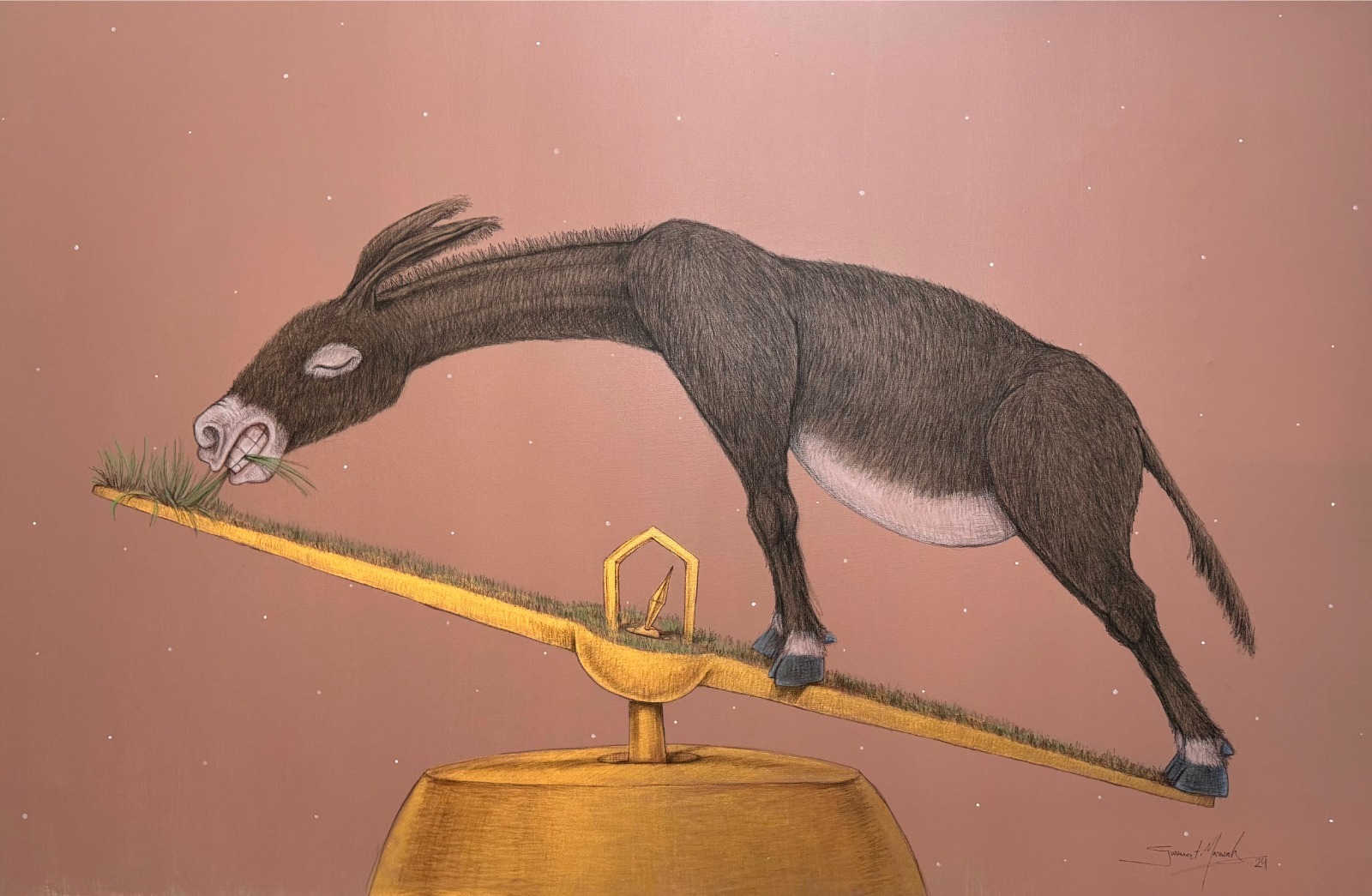
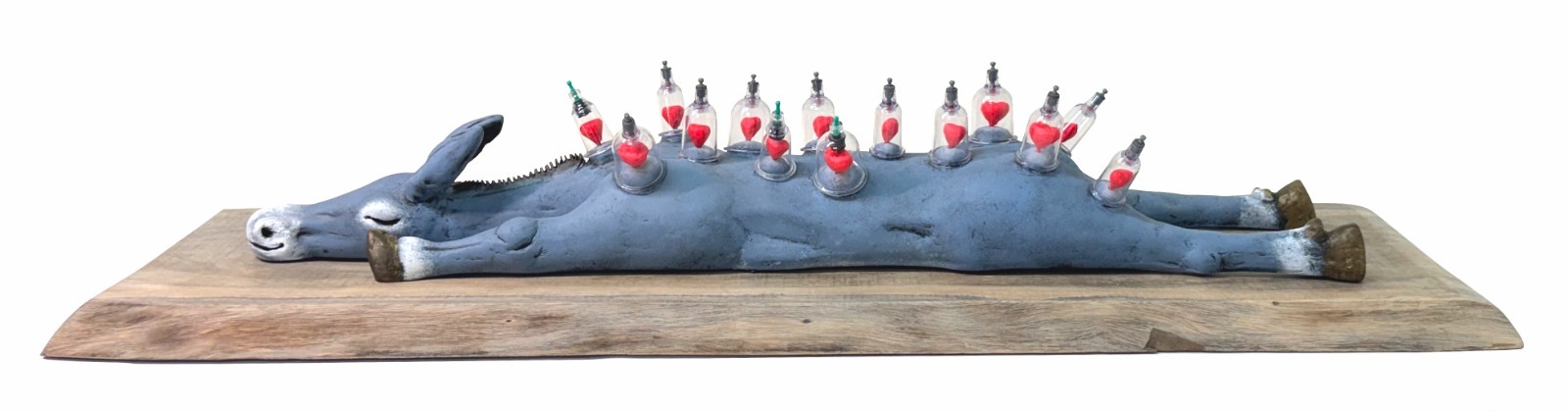
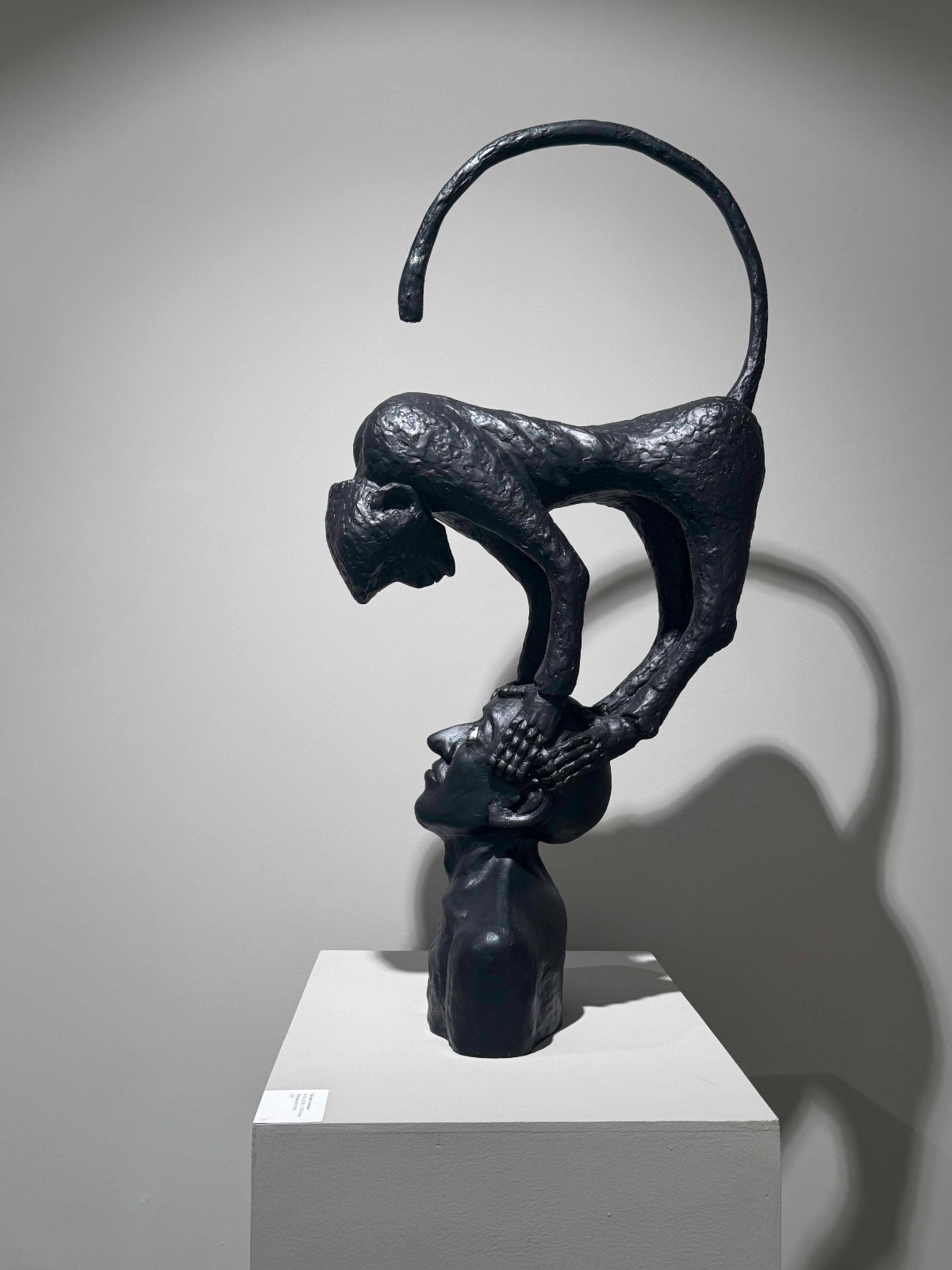
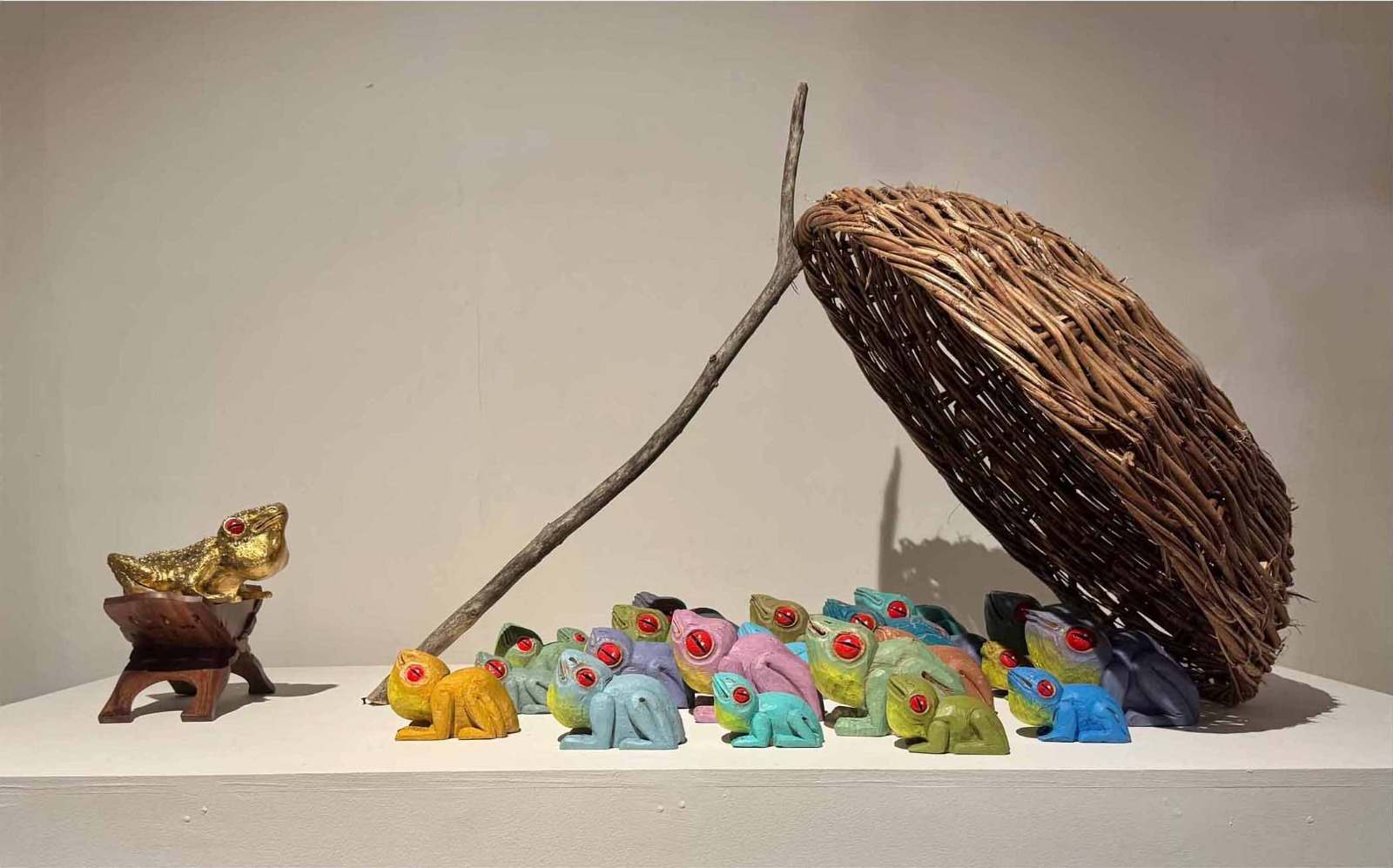
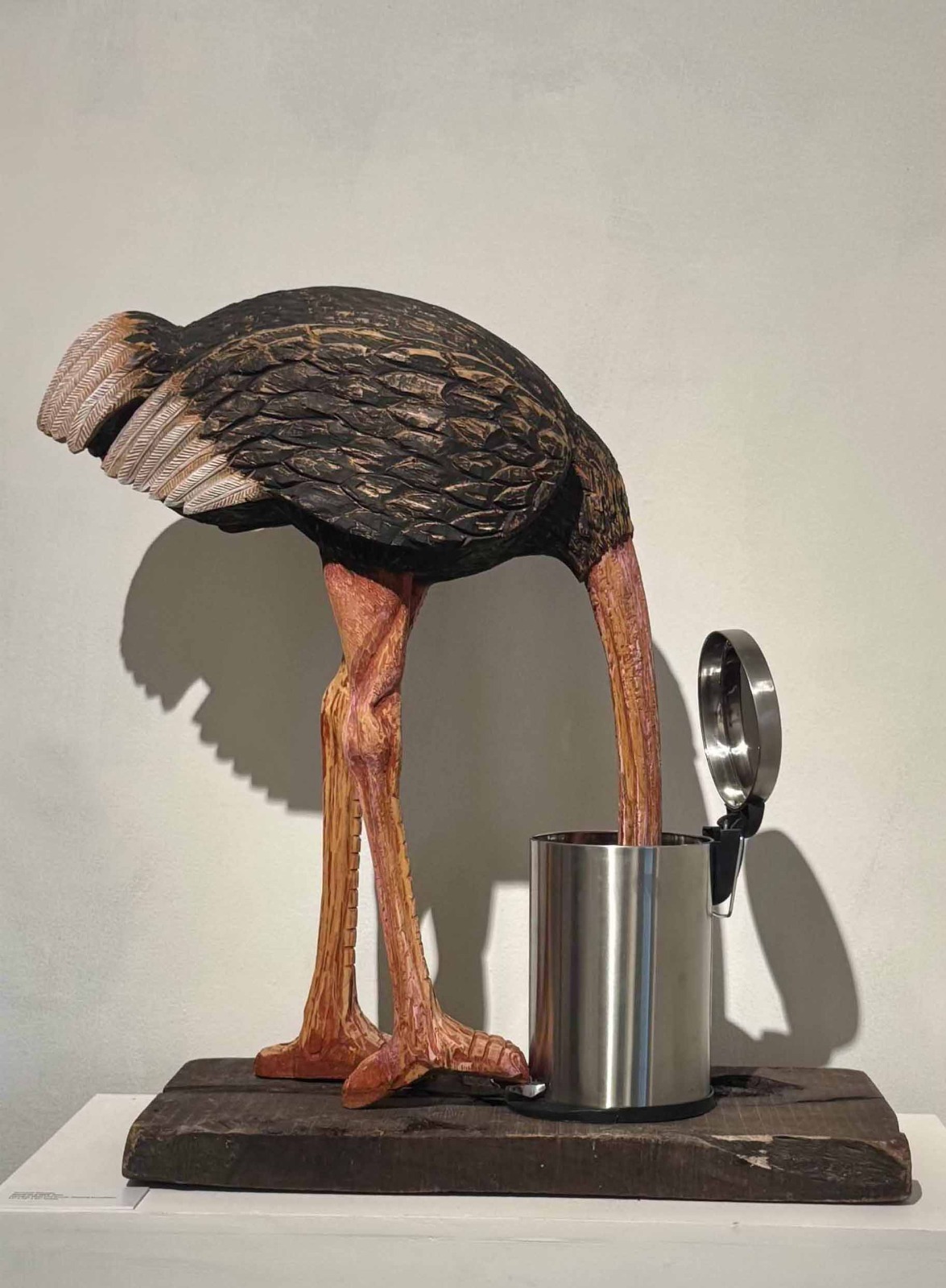
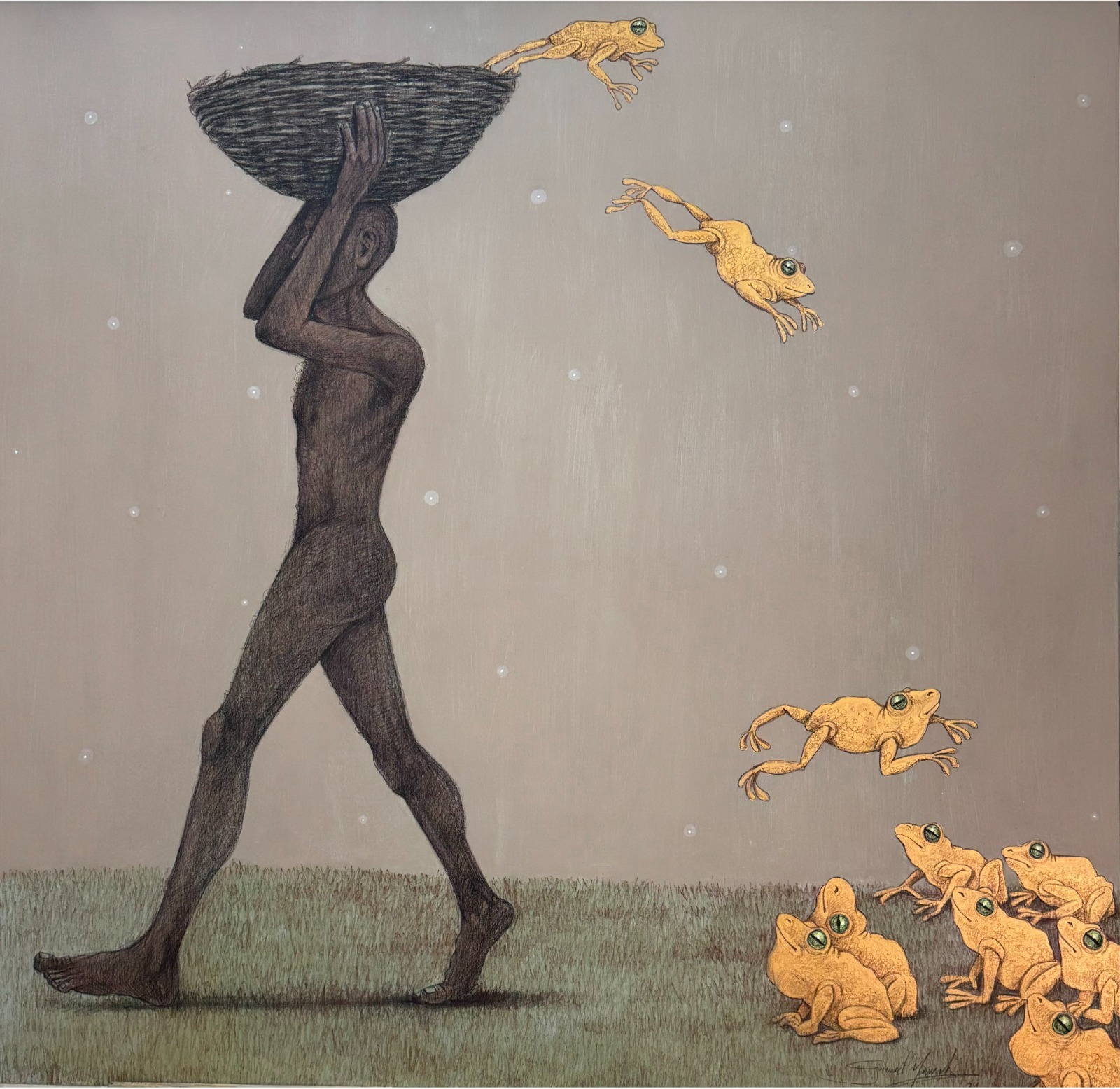
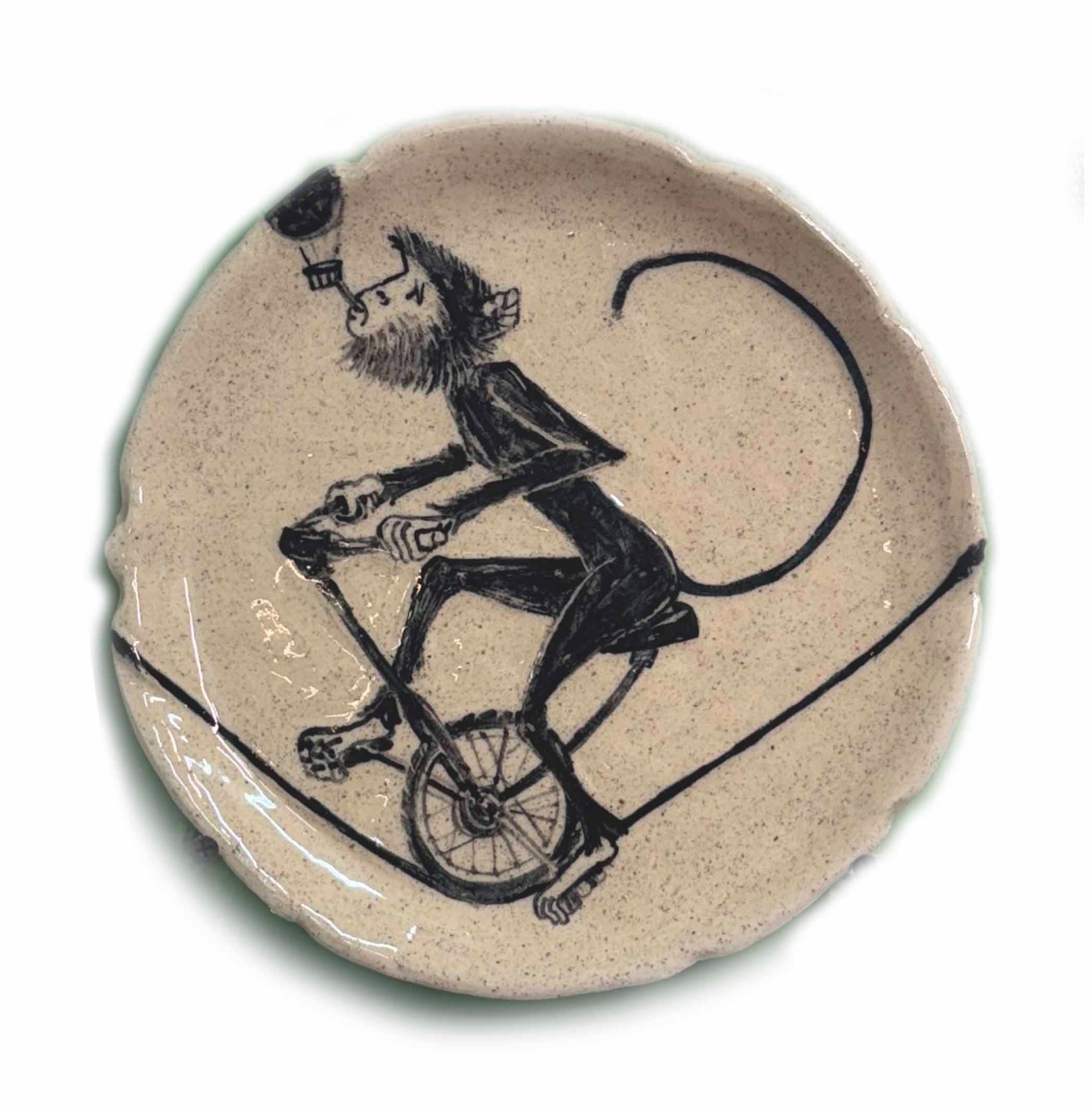
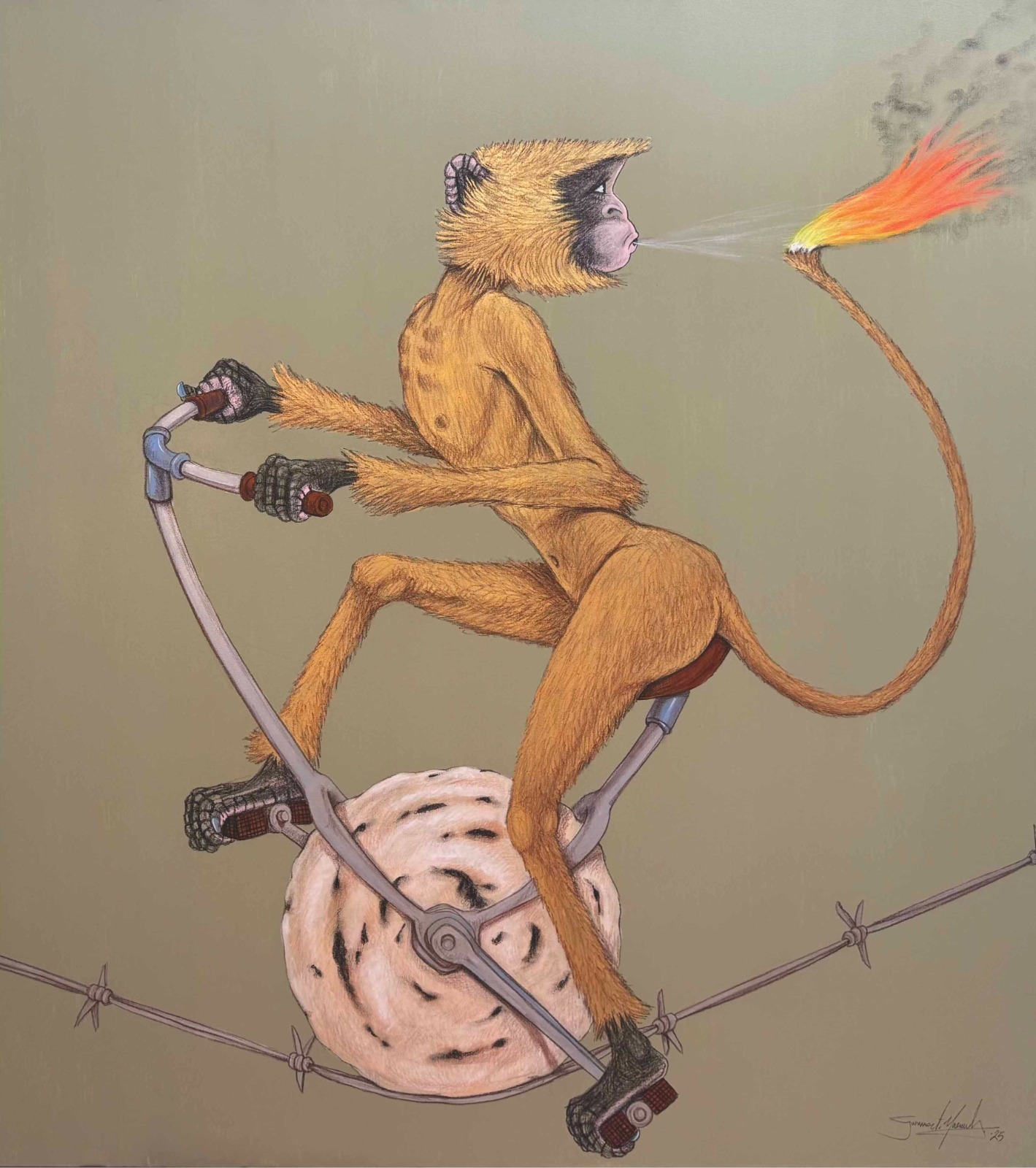
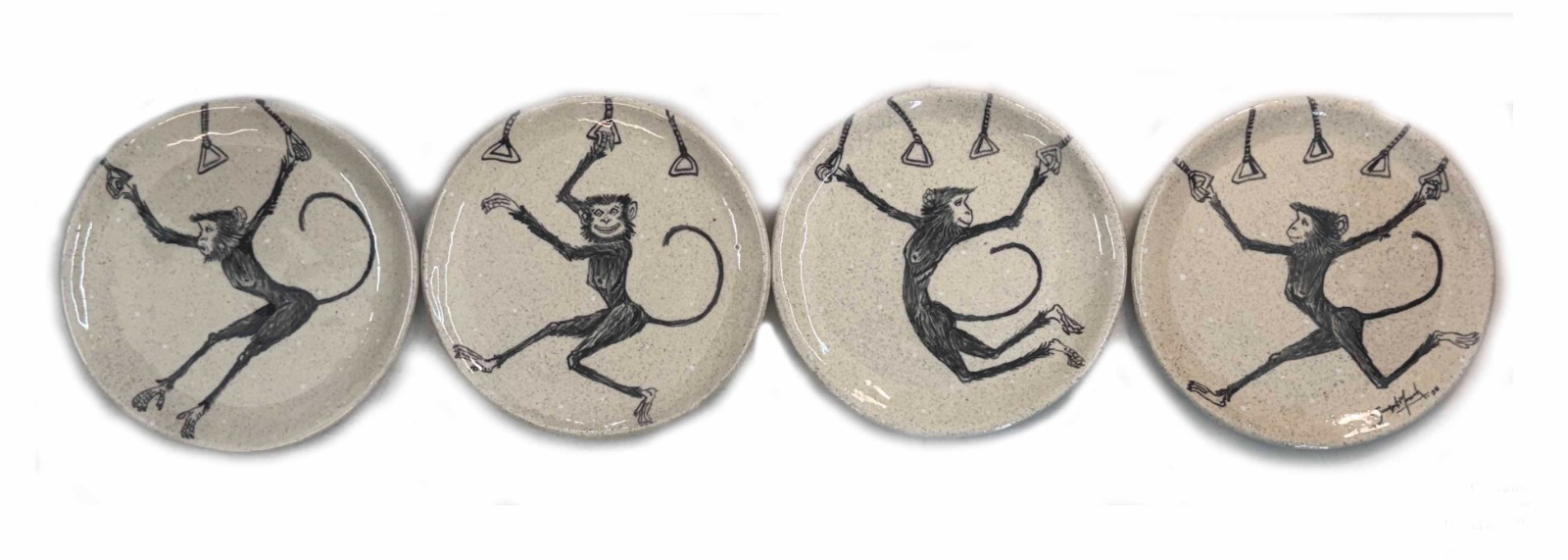
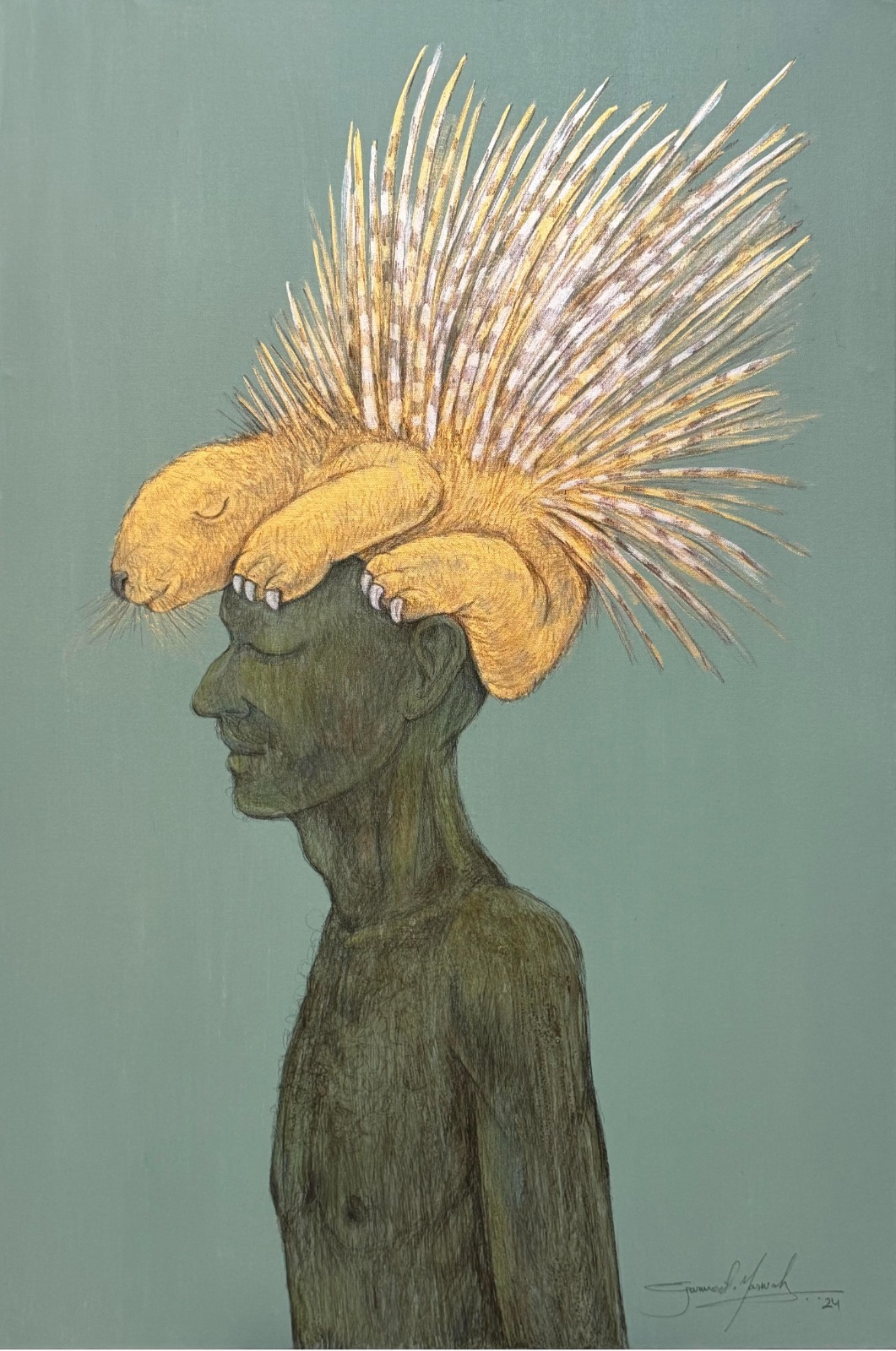
A strong symbolic vocabulary defines the practice. Hearts, crowns, jars, soda bottles, and animals recur as metaphors for desire, power, entrapment, nostalgia, and contradiction. Animals function as emotive symbols: the cow reflects social hypocrisy, the donkey signifies obstinacy against odds, and the owl evokes wisdom and legacy. Iconic figures such as Mahatma Gandhi appear to question the widespread use of his image without a corresponding commitment to his values. The recurring image of the heart—often trapped or contained—adds an intimate and poetic dimension to these narratives.
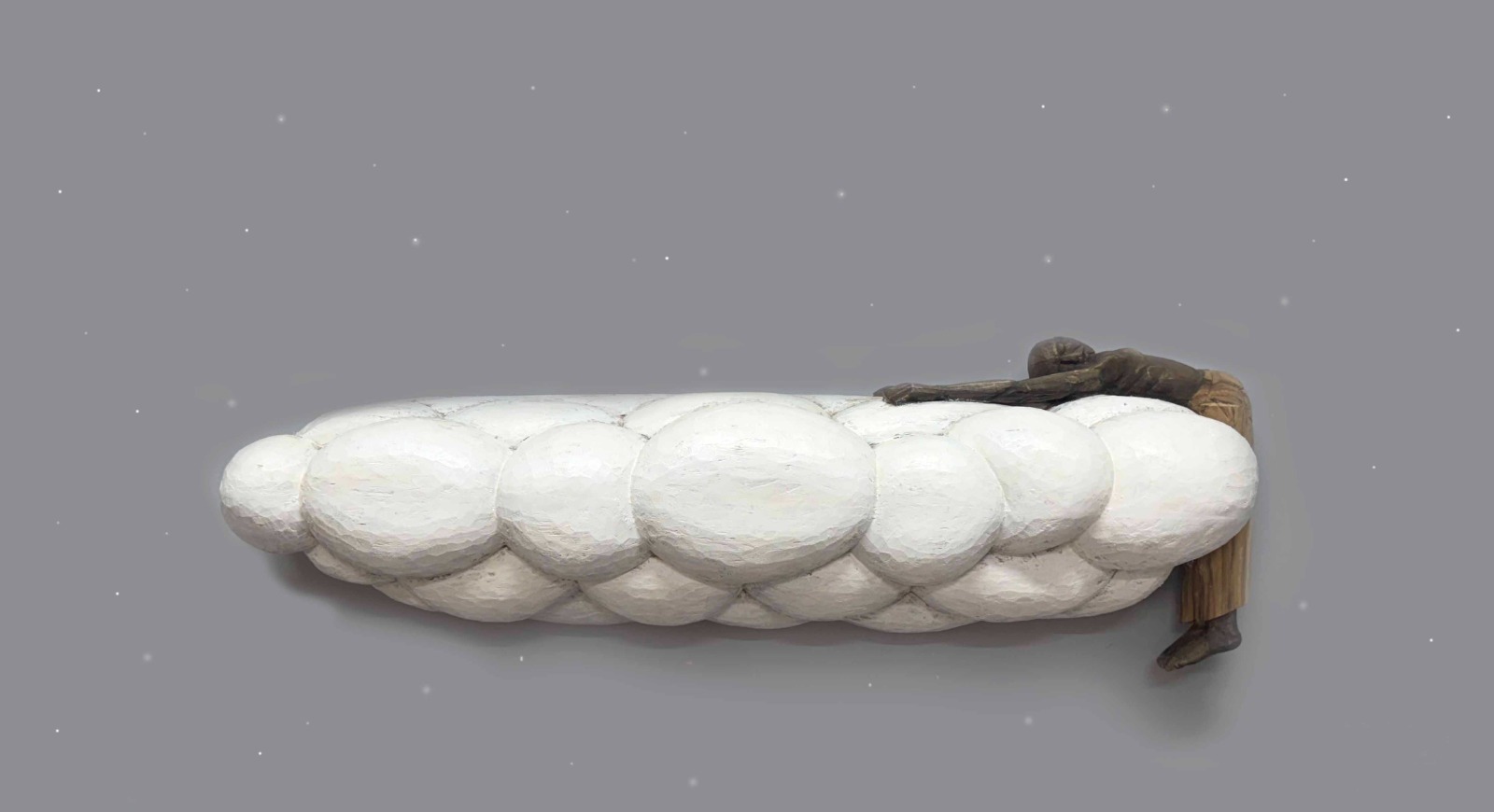
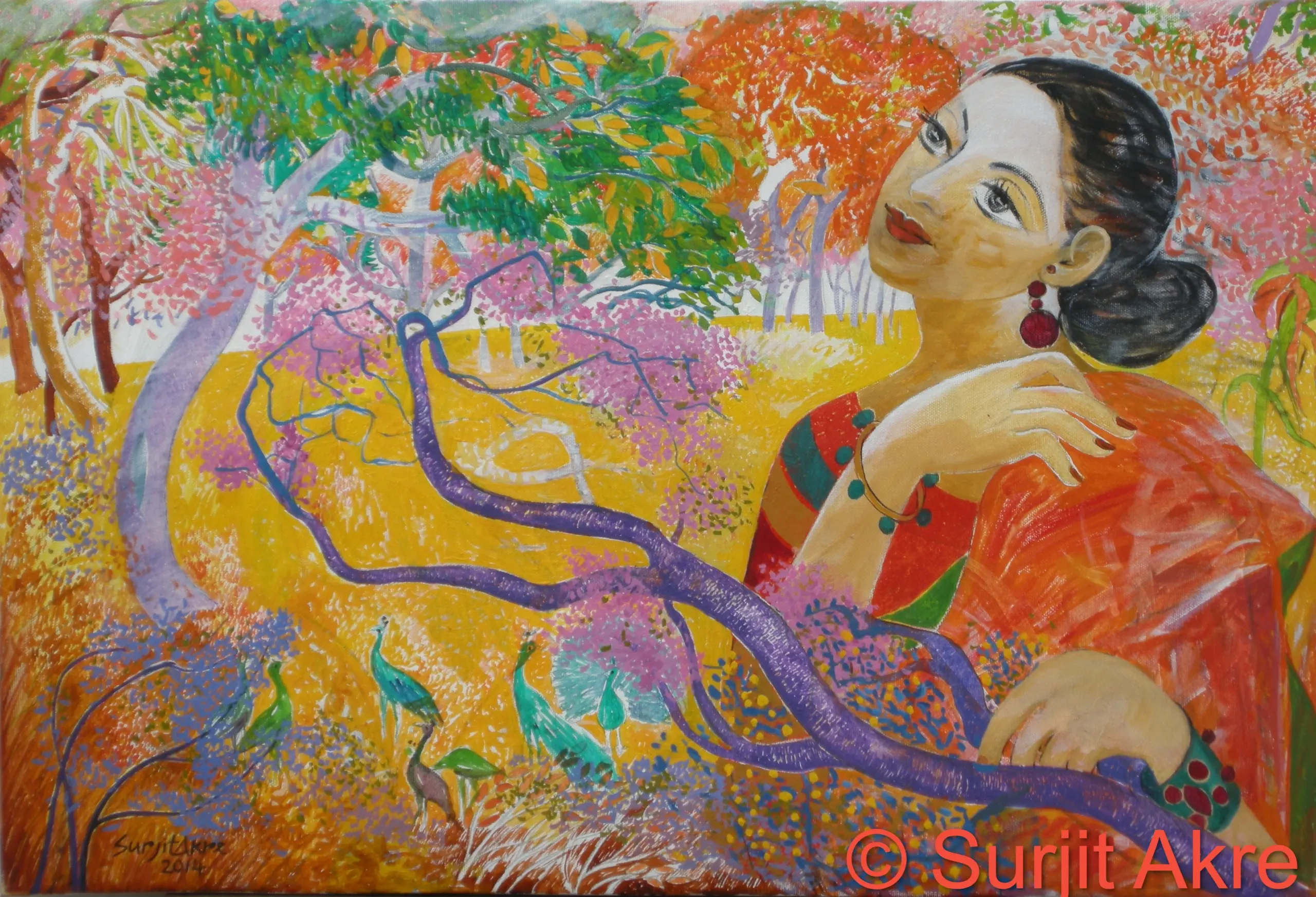
The artist works across a wide range of mediums, including charcoal, acrylic, oil, watercolour, lithography, etching, linocut, woodcut, and ceramic. While woodcut remains a preferred medium for its tactile richness and graphic strength, ceramics extend the symbolic language into three-dimensional form, enabling explorations of containment, fragility, and permanence. Visually, the works often feature earthy palettes punctuated by a striking use of red, intensifying emotional focus while remaining easy on the eye.
With five solo exhibitions, numerous national and international group shows, and awards from institutions such as the Prafulla Dhanukar Foundation and Sahitya Kala Parishad, this body of work holds a significant place within contemporary Indian art, engaging collectors, critics, and audiences alike.